Featuring works by some of the most important artist working in Africa and its diaspora in the last century. Our programme includes a dedicated series of exhibitions showcasing the individual careers of these artist called ‘Icons’
-
![]()
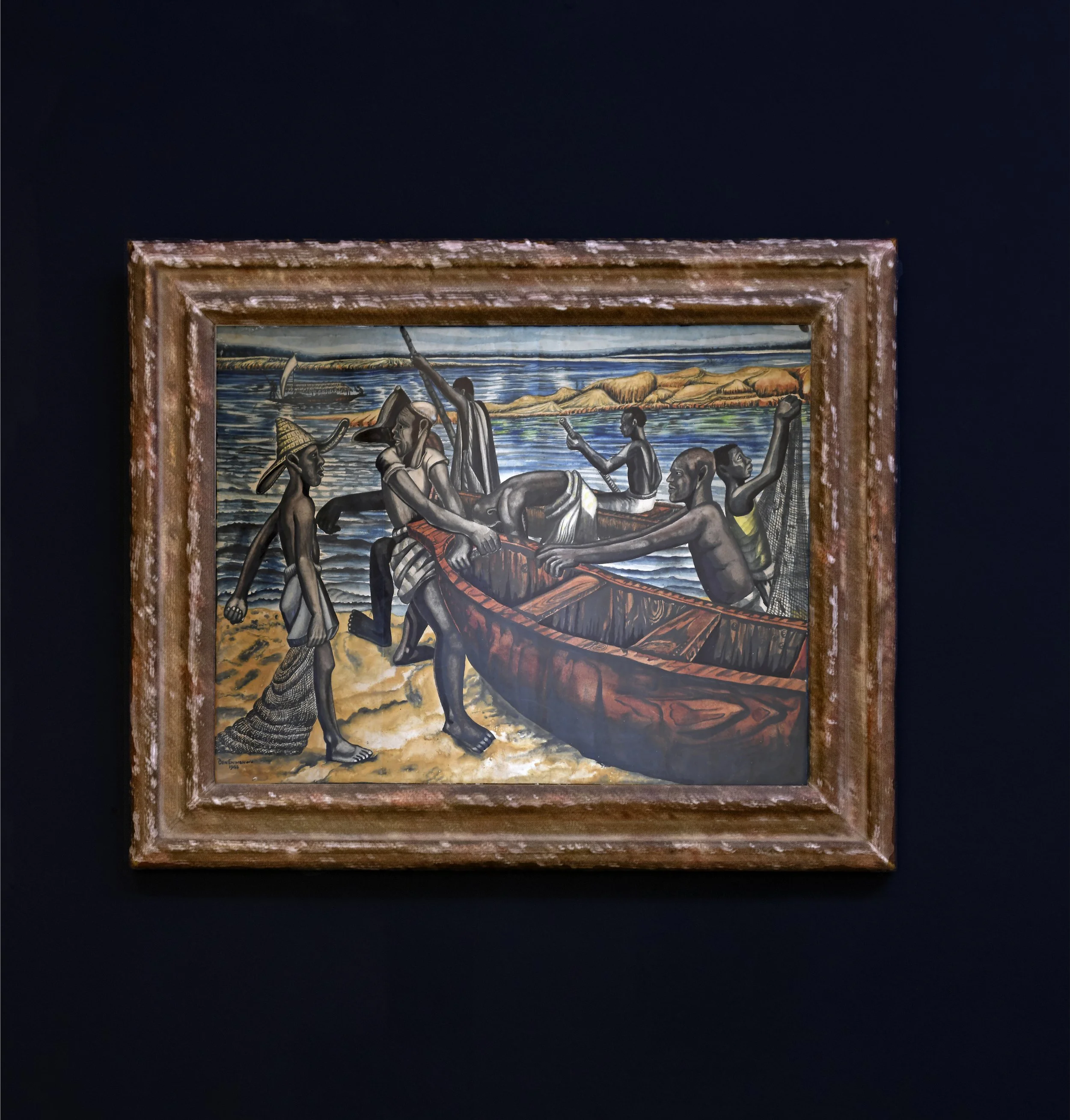
Ben Enwonwu MBE
Celebrated artist Ben Enwonwu MBE produced some of the greatest paintings and sculptures of the twentieth century. Ben Enwonwu graduated from the Slade School of Art with a distinction in Sculpture, following studies at Ruskin College, Oxford and Goldsmiths College, London.
He was awarded an MBE in 1955 after serving as Nigeria's official artist and artist ambassador under the colonial government. He exhibited a commissioned bust of Queen Elizabeth II at the annual exhibition of the Royal Society of British Artists in 1957.
Enwonwu's work has continued to be exhibited widely including at the Whitechapel Gallery, London, Museum Villa Stuck, Munich, the Museum of Contemporary Art, Chicago and MoMA PS1, New York. Works by the artist are placed in numerous institutional collections globally including the permanent collection of the National Museum of African Art, Smithsonian Institution, Washington DC.
1917 - 94
-
![]()
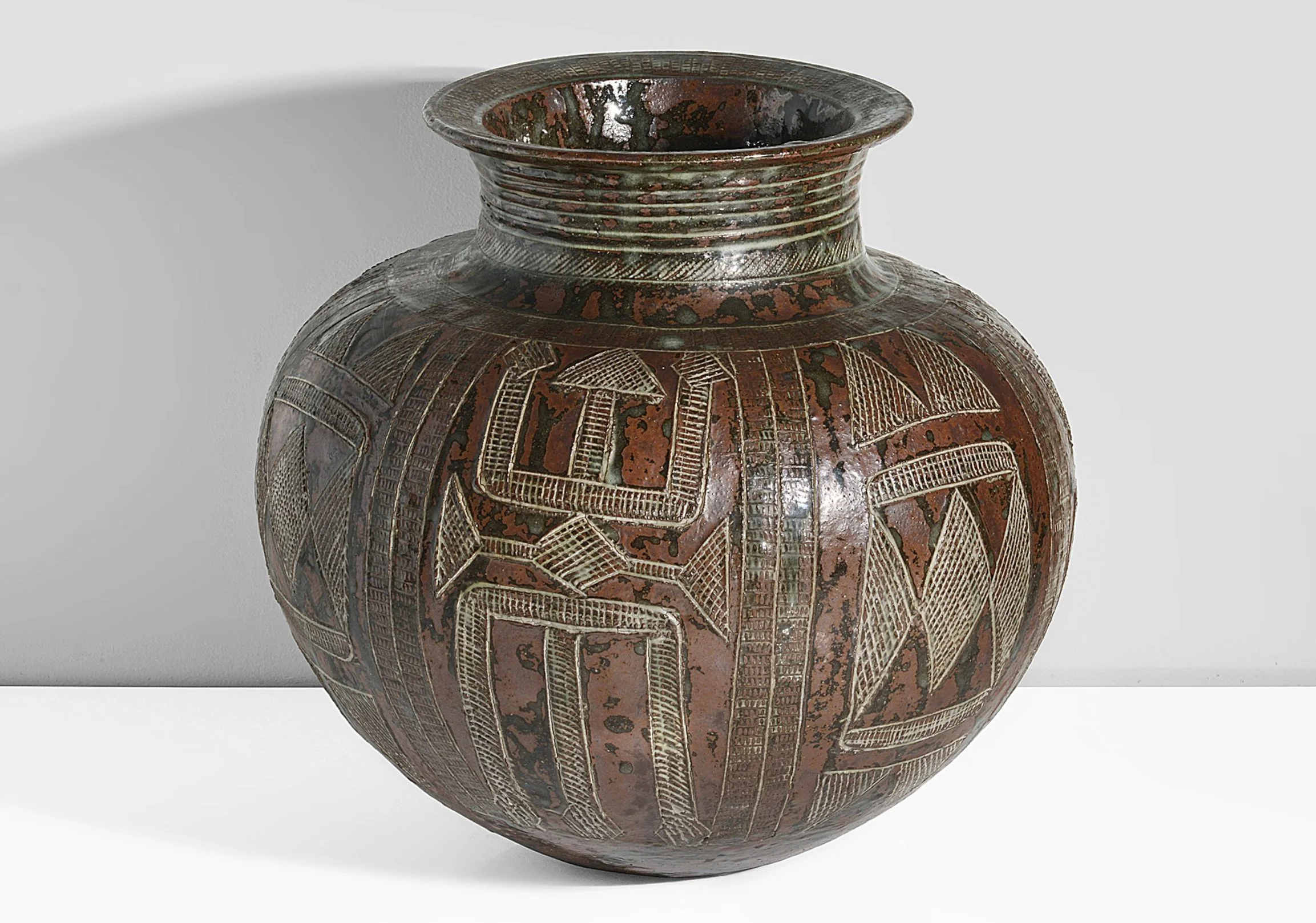
Ladi Kwali
Ladi Dosei Kwali was born in the village of Kwali, into a family where pottery was a traditional female craft. Her early works were often decorated with incised geometric and stylised figurative motifs, including lizards, crocodiles, scorpions, birds, and fish, reflecting the symbolic language of her Gbari (Gbagyi) heritage. Her exceptional skill drew notice beyond her village, leading to British studio potter Michael Cardew encountering her work in 1950.
In 1954, she enrolled at the newly founded Abuja Pottery Training Centre, becoming the first female potter to train there. While at the Centre, she learned wheel-throwing, glazing, kiln-firing, slip and saggar techniques. Yet she never abandoned her roots: she continued to hand-build vessels with coiling, decorating them using sgraffito and incised motifs. She often filled incised patterns with white slip and applied a translucent glaze, achieving a striking effect, a beautiful fusion of traditional Gbagyi pottery and Western studio ceramics.
Ladi Kwali died on 12 August 1984 in Minna. Through her mastery of clay, Ladi Kwali bridged ancestral tradition and modern technique, elevating a local woman’s craft to international art. Her life and work stand as a testament to creativity, cultural memory, and the power of craft to speak across global boundaries
c. 1925 – 84
-
![]()
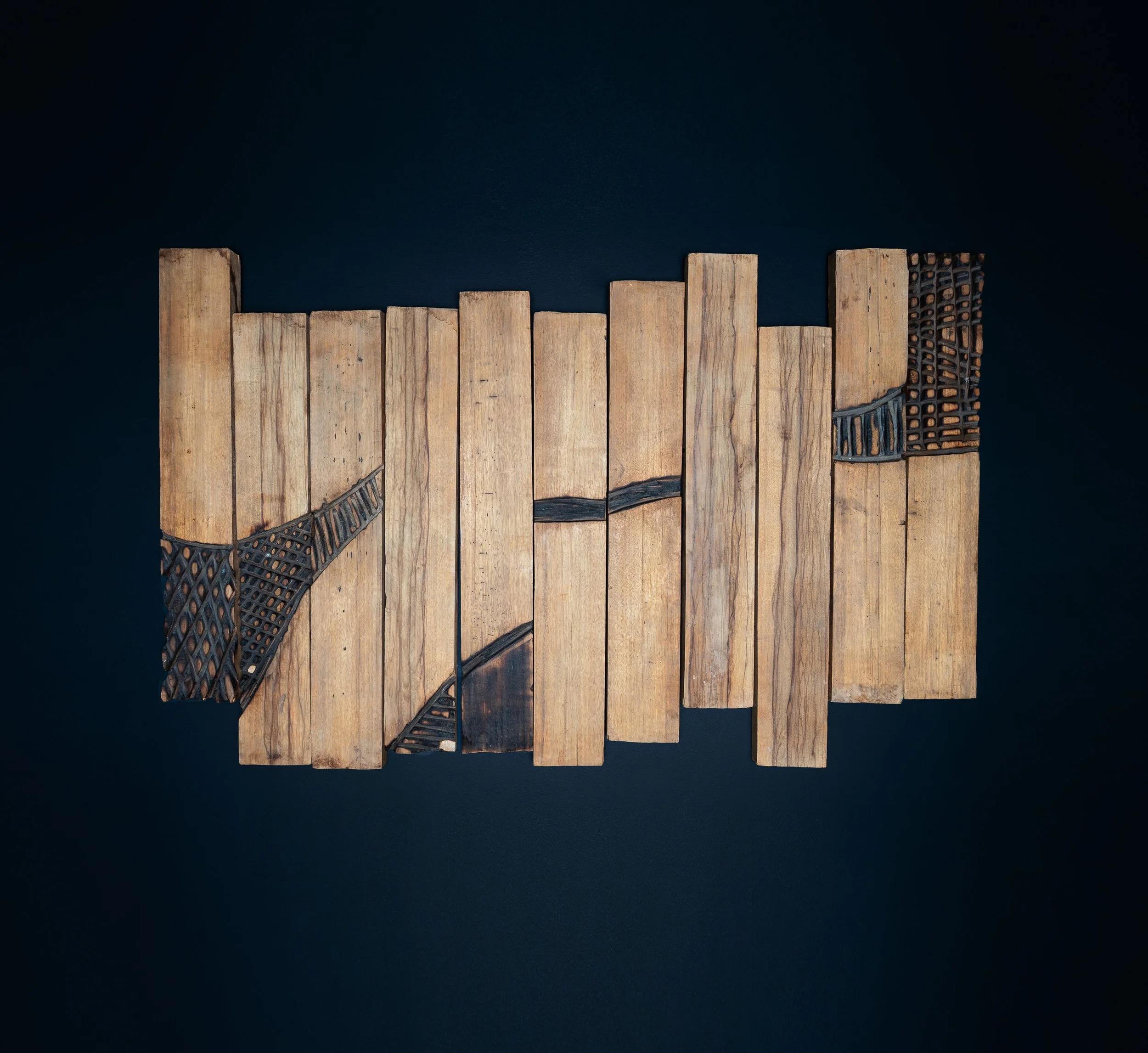
El Anatsui
El Anatsui was born in Anyako, in southeastern Ghana, and trained at the College of Art, University of Science and Technology, in Kumasi, Ghana. He has been teaching at the University of Nigeria, Nsukka, since 1975. The work he created in Ghana is best known for the incisions made with hot irons on round or spherical market trays of Ghanaian wood.
At Nsukka, and later when he briefly resided in Wales, El Anatsui worked in clay, often combined with manganese, to create unusual objects based on traditional Ghanaian beliefs and other subjects. He then turned to making wall panels formed from strips of wood placed side by side. Designs were cut into the surface with gouges and a chain saw, blackened with the flame of an acetylene torch. Some wood surfaces and some designs were painted.
A number of themes recur in Anatsui's art. One is the destruction and reconstitution of materials as metaphors for life, experience, and changes in Africa under colonialism and since independence. A second theme is associated with textiles and traditional African crafts. His concern over Western scholars' misinterpretation of African history and the distortions it has caused forms a third theme.
b. 1941
-
![]()
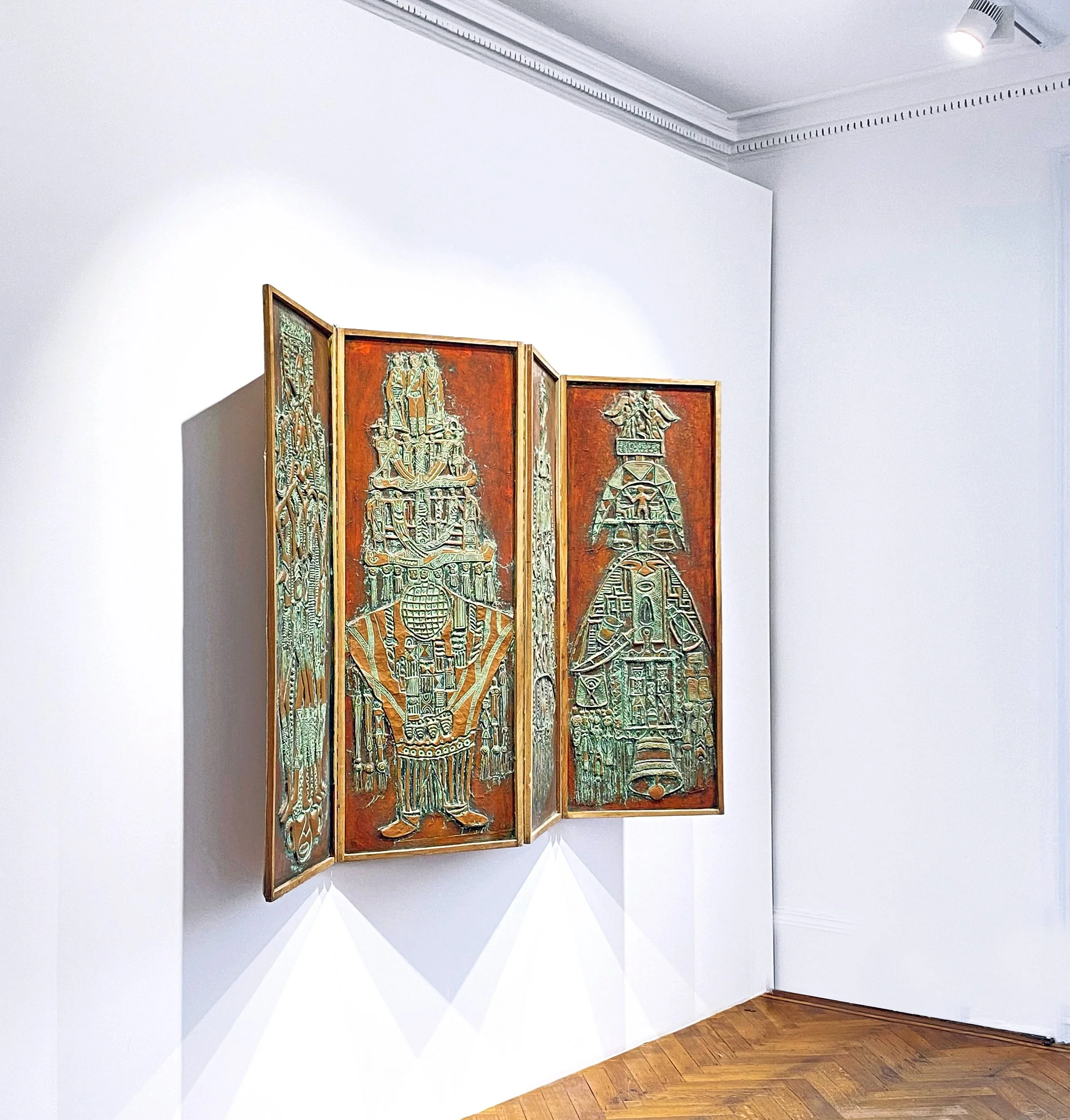
Bruce Onobrakpeya
Bruce Onobrakpeya is a celebrated Nigerian painter and printmaker. Celebrated for his innovative printmaking techniques, Onobrakpeya pioneered bronzed lino relief, and metal foil deep etchig in bold colors to explore Nigerian folklore and contemporary life. His aesthetic drew inspiration from a variety of source material, including the art of the Benin Kingdom, regional Nigerian landscape painting, Christian iconography, and the political turmoil of his home country, all of which he depicted in his art.
Born in Agbarha-Otor, Nigeria, Onobrakpeya attended the Nigerian College of Arts, Science, and Technology in Zaria, where he developed an interest in forging a unique style which aimed to decolonize itself from Western influences.
He went on to exhibit internationally and establish himself as an important figure in contemporary African art, notably working as an educator for over four decades.
Today, his works can be found in the collections of the Vatican Museum in Rome; the National Gallery in Nairobi; Newark Museum, Newark, NJ; the National Museum of African Arts, Smithsonian Institution in Washington, DC; The Minneapolis Institute of Art, Minneapolis; The British Museum, and most recently the Tate Modern, London.
b. 1932
-
![]()
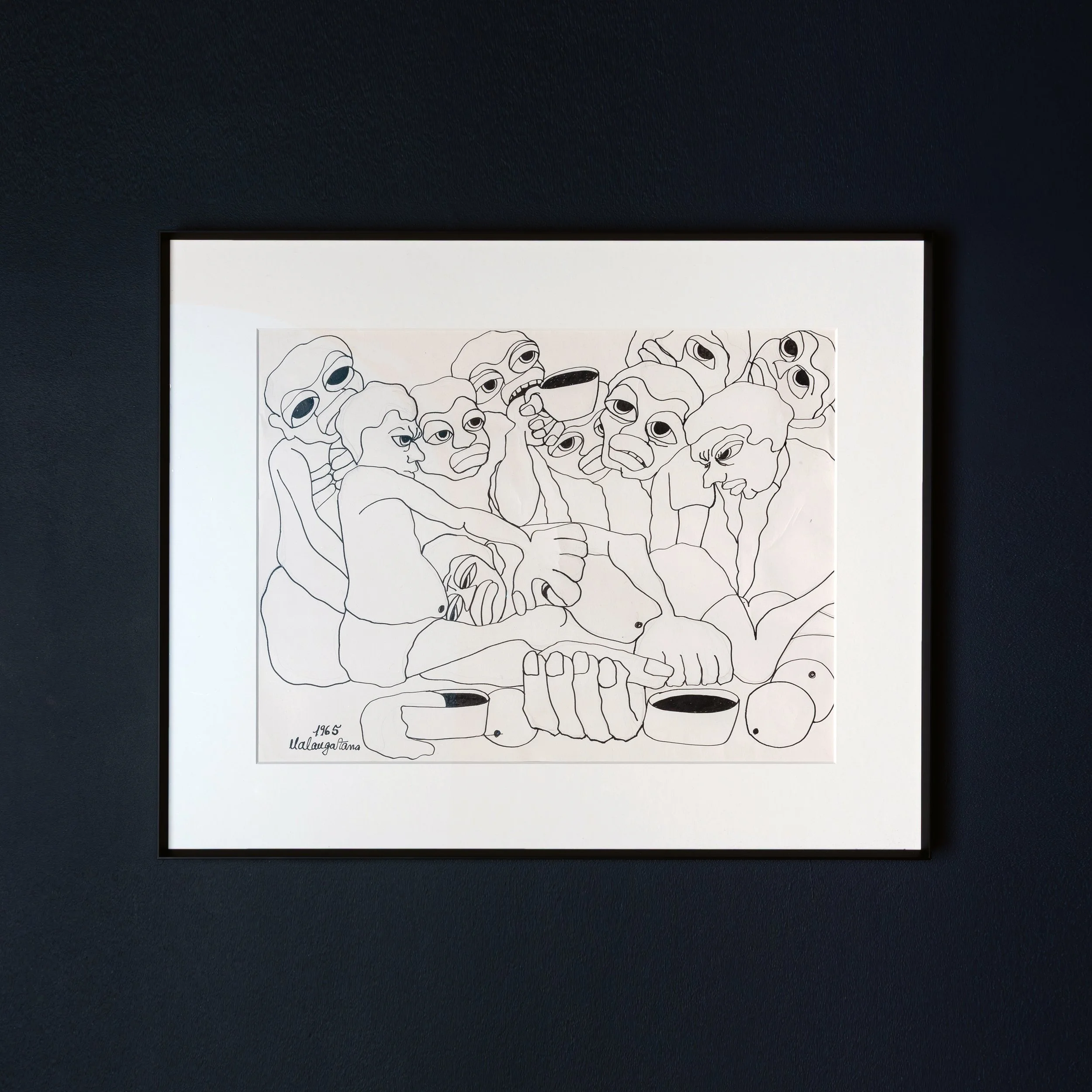
Malangatana Ngwenya
Malangatana was a prominent figure in Mozambique and also played an important role in imagining a broader Africanist aesthetic in Europe and America. His work was intimately connected with his politics and reflects the socio-political conditions of Mozambique, whether during the struggle for independence (gained in 1975) or later during the civil war (1977–92).
Malangatana joined the Mozambique liberation movement FRELIMO in 1964. The same year he was detained by the Portuguese secret police for his involvement with FRELIMO and imprisoned for eighteen months. The period between his release and 1971, when he was awarded a grant from the Lisbon-based Gulbenkian Foundation to study printmaking and ceramics in Portugal, was an important one for his art.
During this time, he continued to depict the tragic consequences of war – violence, hunger and death – and was prolific in his output, holding numerous exhibitions in Mozambique and accepting commissions to paint large-scale murals.
1936 - 2011
-
![]()
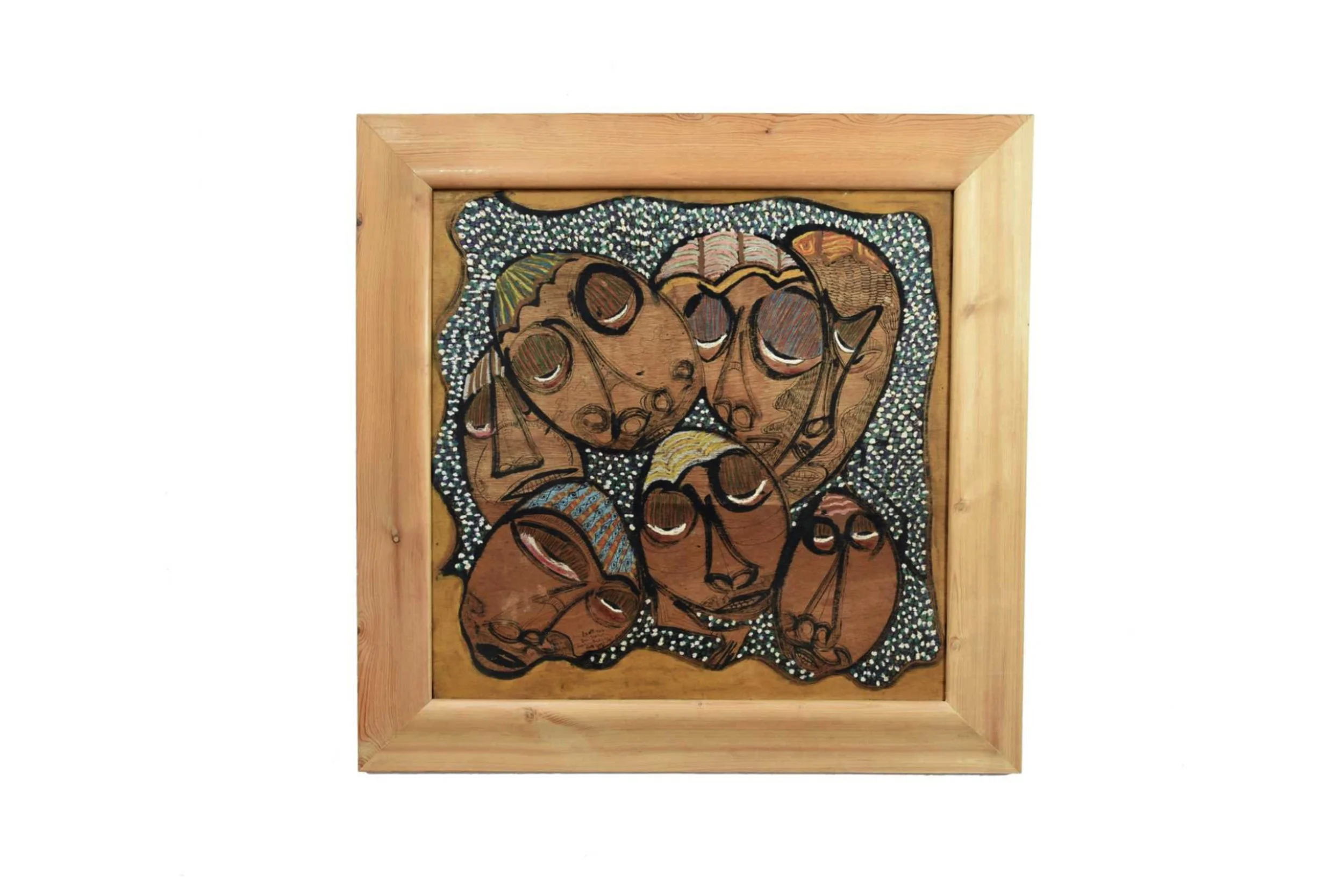
Twins Seven Seven
Twins Seven-Seven (1944-2011) was born Taiwo Olaniyi Oyewale-Toyeje Oyelale Osuntoki in Ijara, Nigeria, and he is remembered as a prolific artist, bandleader, dancer, actor, and proud spokesperson for Yoruba culture and traditions. Renaming himself "Ibeji Meje-Meje (Twins Seven-Seven)" intentionally reflected his Yoruba cultural identity and heritage.
His introduction to the visual arts happened by chance due to gate-crashing and performing at a party in Osogbo organized by Ulli Beier and Georgina Beier in 1964. This encounter led to an invitation to attend a Mbari Mbayo workshop conducted by the Beiers. Working across varied mediums, including painting, drawing, batiks and sculpture over four decades, from the 1970s until he died in 2011, Seven-Seven developed both a unique and expressive individual style drawing on motifs and styles rooted in traditional Yoruba art and culture, as well as religion, folklore and the artist's dreams.
Seven-Seven's life and work boldly celebrated Yoruba culture, instilling a deep connection and pride in those who shared his heritage. His art is a powerful testament to the richness and beauty of Yoruba culture, fostering a sense of belonging and appreciation in the audience.
Text by Dr Jareh Das, an independent curator, scholar and (occasional) florist who works between West Africa and the UK.
-
![]()
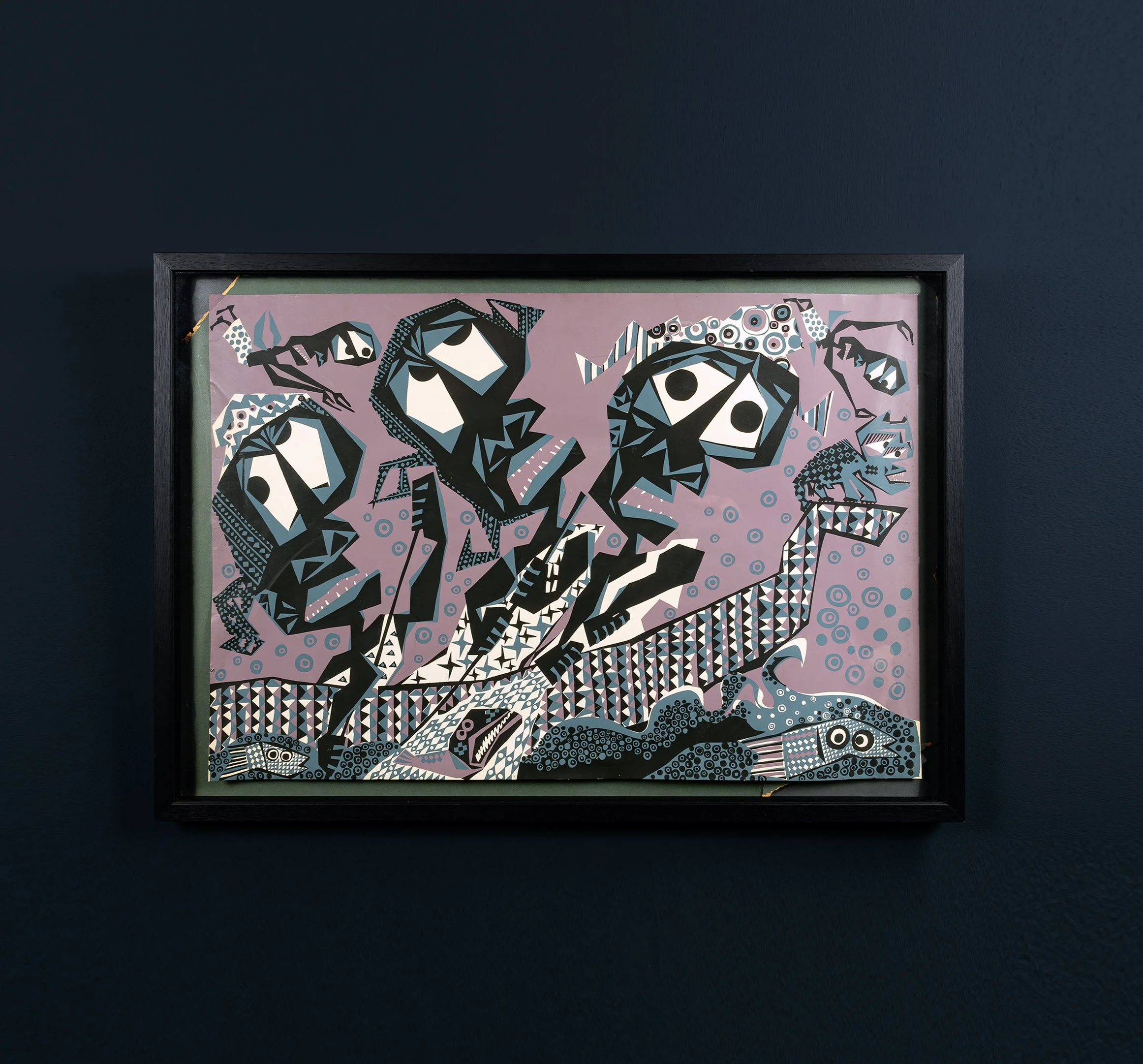
Susanne Wenger
Born in Graz, Austria, in 1915 and trained in Vienna, Susanne Wenger came to Nigeria in 1950. She is most often identified with her total commitment to restoring and reviving the shrines of the Yorubas in Oshogbo. Wenger is not a patron in a removed sense but a participatory artist. Indeed, for almost 40 years her home and entire life have revolved around the shrine—the New Sacred Art Movement—and its artists.
Wenger combines sculpture and architecture in her works at the shrines. Her distinctive use of flowing, sharp-edged, organic forms whose deep contours grapple with light and shadow reflect her first artistic training as a potter. Wenger supports her shrine creations by selling silk-screen prints, resist-dyed textiles and book illustrations. The silk screens in this exhibition show her characteristic choice of colors—slate blue and tan. The angular figures draw on recurring Yoruba themes, such as the devotee, the priestess and the leopard. Using size to convey importance rather than linear perspective is typically Yoruba, but the total effect is uniquely Wenger's.
1915 - 2009
-
![]()
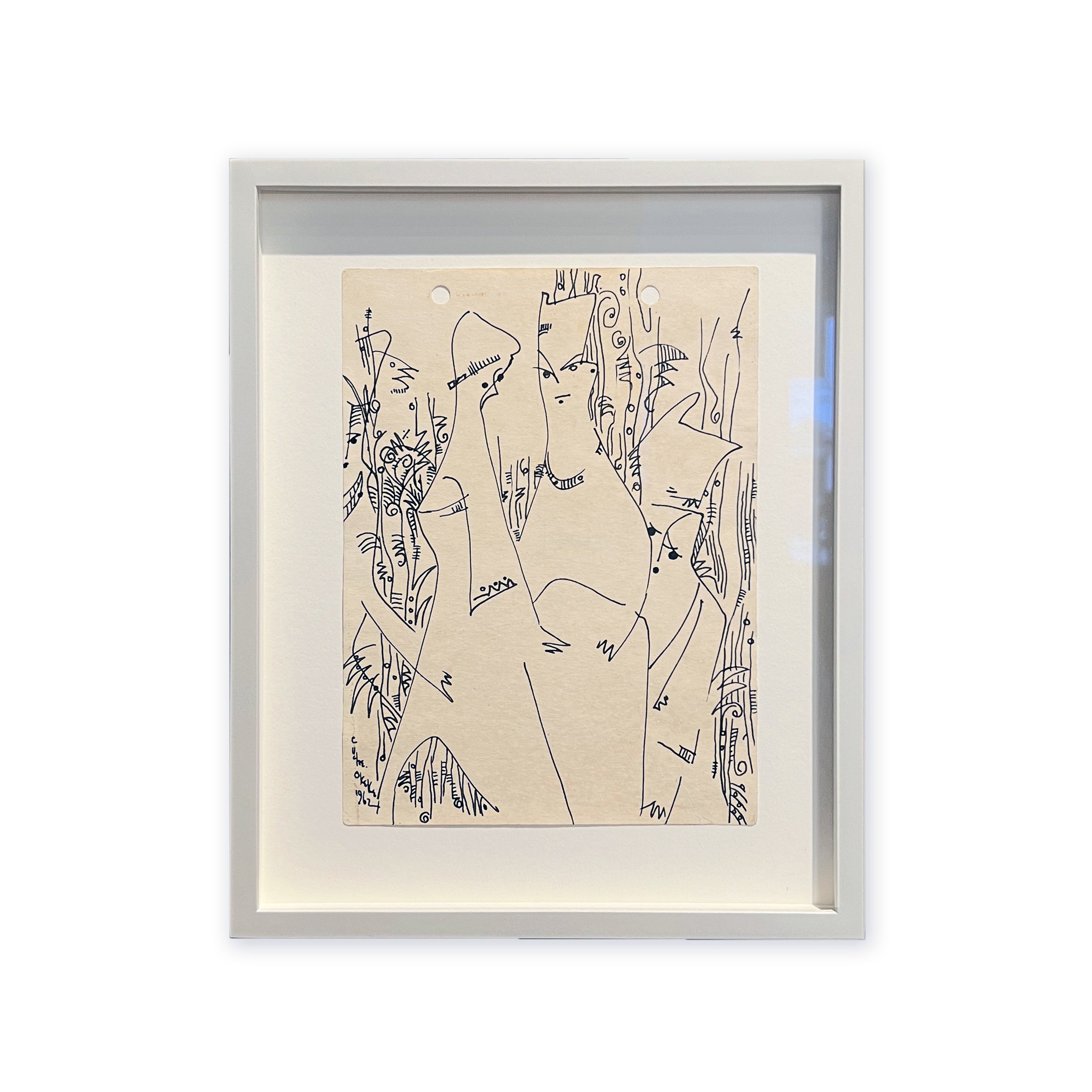
Uche Okeke
Okeke trained at the Nigerian College of Art, Science and Technology, Zaria (1957-62) where he helped found the Zaria Art Society, later known as the "Zaria Rebels."
In 1963 he studied stained glass and mosaic techniques at the Franz Mayer Studio in Munich. He was a member of the Mbari Artists and Writers Club, Ibadan, and later director of the Mbari Art Centre Workshop in Enugu (1964-67), also teaching at the University of Nigeria at Nsukka for many years. As a major proponent of Natural Synthesis, an artistic manifesto designed by the Zaria Rebels, post-dependence in Nigeria, Okeke turned to his knowledge of Igbo culture to create a viable synthesis of tradition-based and modernist artistic forms.
Okeke has shown his works in numerous solo and group exhibitions in Africa and Europe & the US, with a recent acquisition of his work for the permanent collection of the Museum of African Arts (MoMA), New York.
1933 - 2016
-
![]()
Muraina Oyelami
Muraina Oyelami was born in Iragbiji, Nigeria. An actor and musician in Duro Ladipo's theater, he attended workshops organized by Georgina Beier and Ru Van Rossem.
Oyelami is considered to be one of the foremost artists in the Oshogbo School, which emerged in South-West Nigeria in the mid-1900s. Fusing traditional Yoruba motifs with what has been interpreted as German Expressionist painting, his work exemplifies the bold lines and colours that frequent the visual art associated this School.
Working primarily with pastel or paint on board, paper, or canvas, Oyelami’s palettes of embellished earth tones blur representational forms with abstraction, all within marks that allude to the hard contours of carved, Yoruba antiquities.
As one of the original products of the famous Mbari-Mbayo club and workshops, his varied and enormous list of credits went on to include the Otis Art Institute, Los Angeles; Staatlichen Kunsthalle, Berlin; Museum of African Art, Smithsonian Institute, Washington DC and the Institute of Contemporary Arts, London - to name a few.
b. 1940